
What to expect at your Chronic Pelvic Pain Consultation
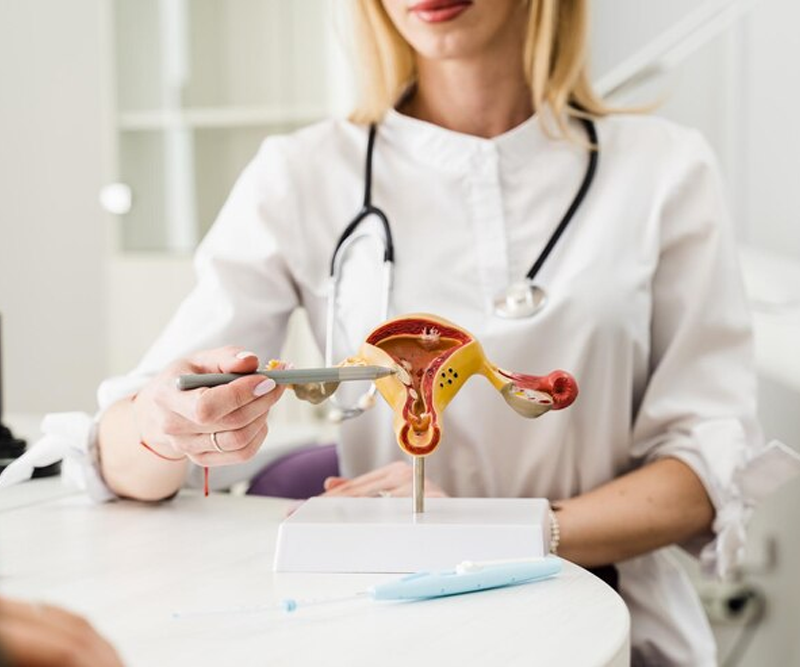
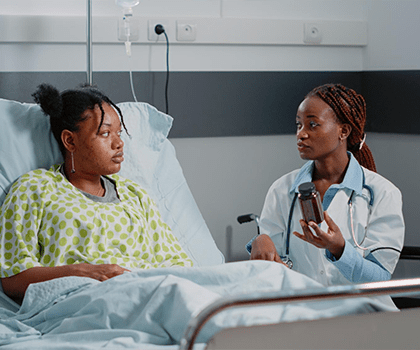
Your first appointment is a conversation with purpose. We will ask about the pain, when it started, how intense it is, what makes it better or worse, and what everyday activities it disrupts. Expect questions about your menstrual cycle, bowel and bladder symptoms, sexual pain, past surgeries and treatments. We will review any previous scans or notes so we don’t duplicate tests unnecessarily.
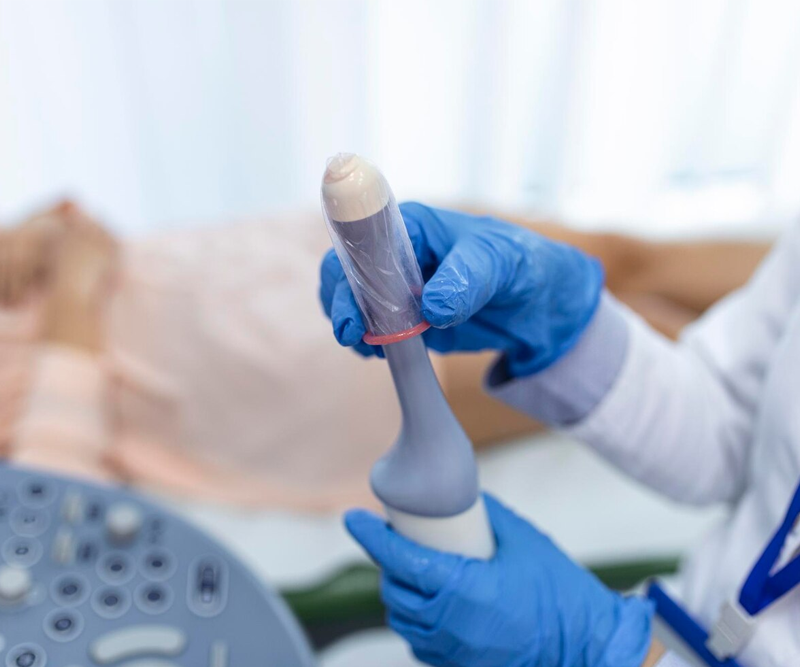
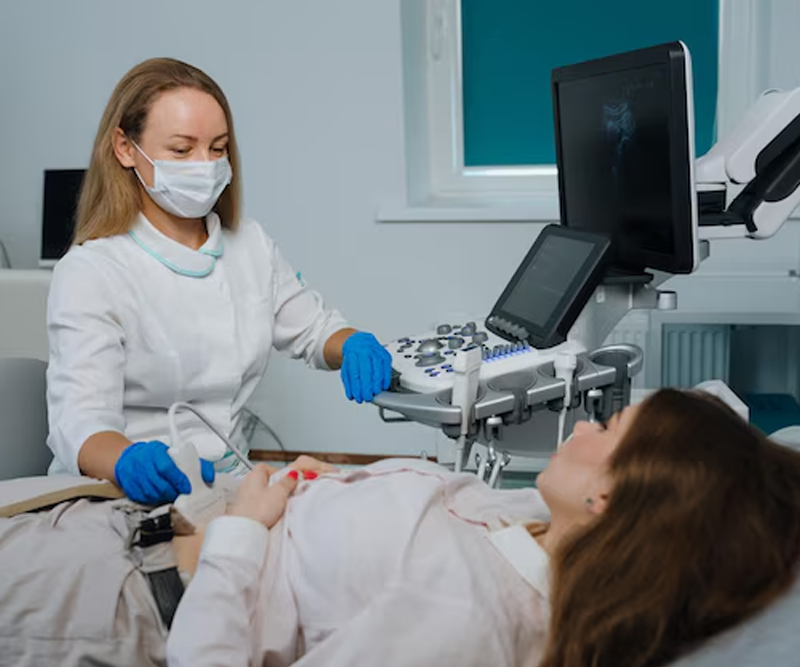
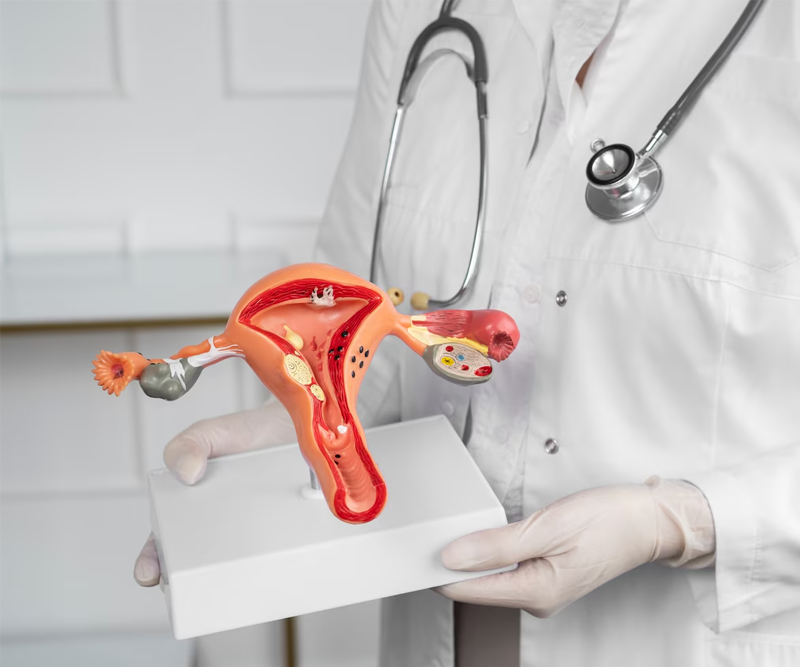
A physical examination may be offered if it will help with the diagnosis. Most patients will have a pelvic ultrasound arranged either the same day or shortly after. When investigations are inconclusive, we follow a structured, guideline-based approach to diagnosis and management rather than guessing.
Treatment pathways we commonly use
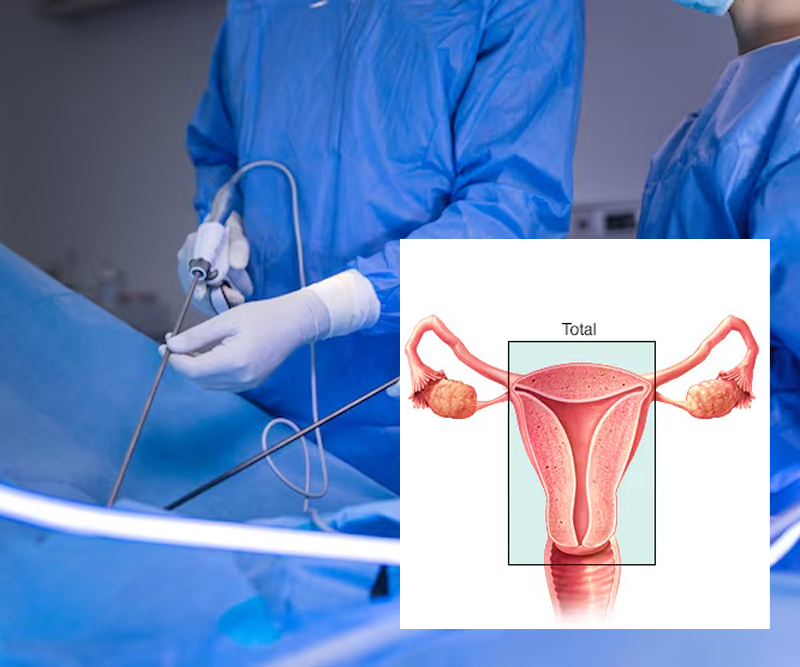
Because chronic pelvic pain often has more than one contributing factor, we favour a multidisciplinary plan:
- Pelvic physiotherapy for muscular or pelvic floor contributors
- Pain management strategies (including medication and neuropathic pain approaches)
- Psychological support, such as CBT, for pain coping
- Targeted medical therapy for any identified gynaecological causes
- Clear referral to colorectal or urology teams when bowel or bladder issues are suspected.