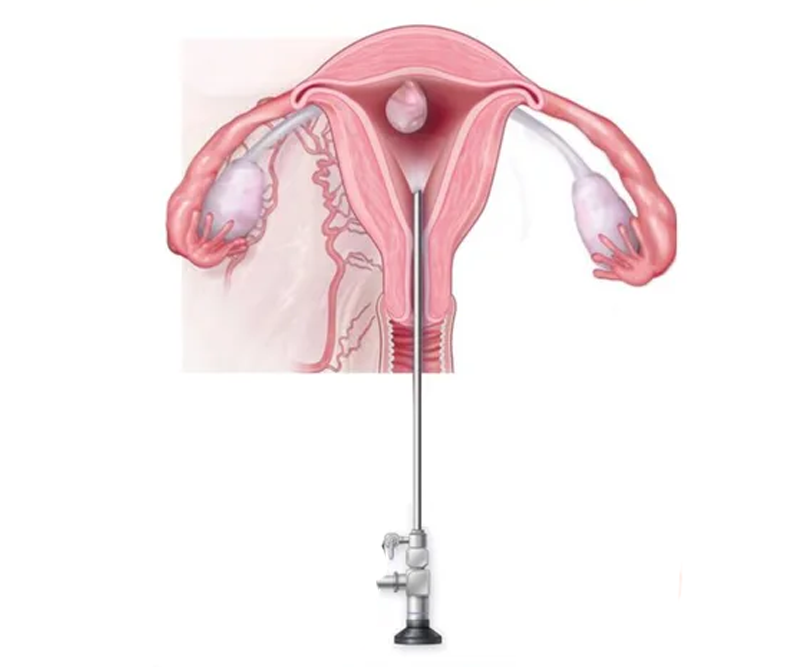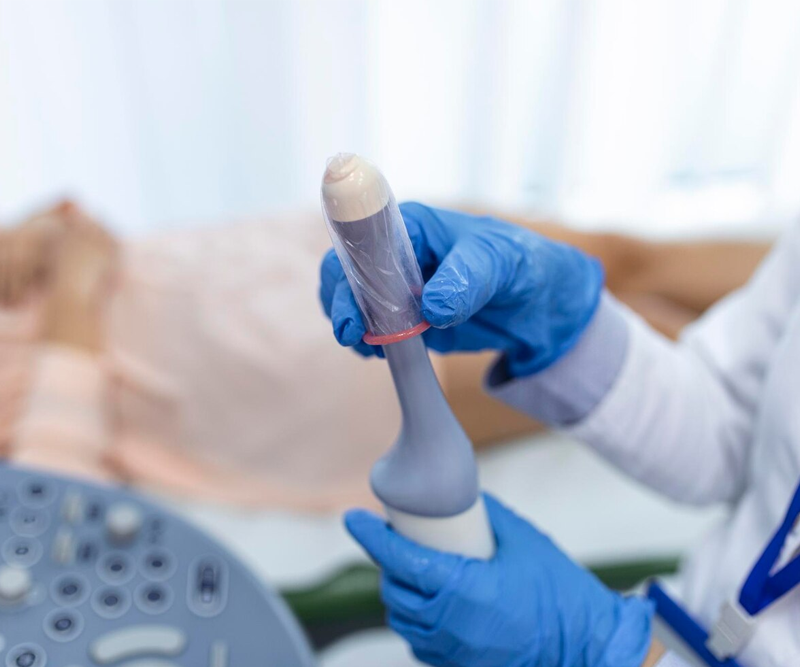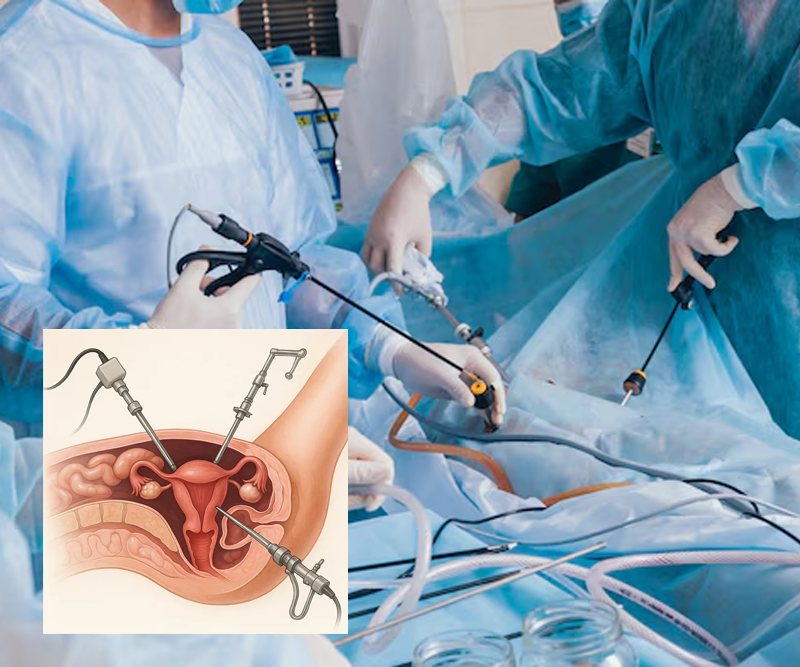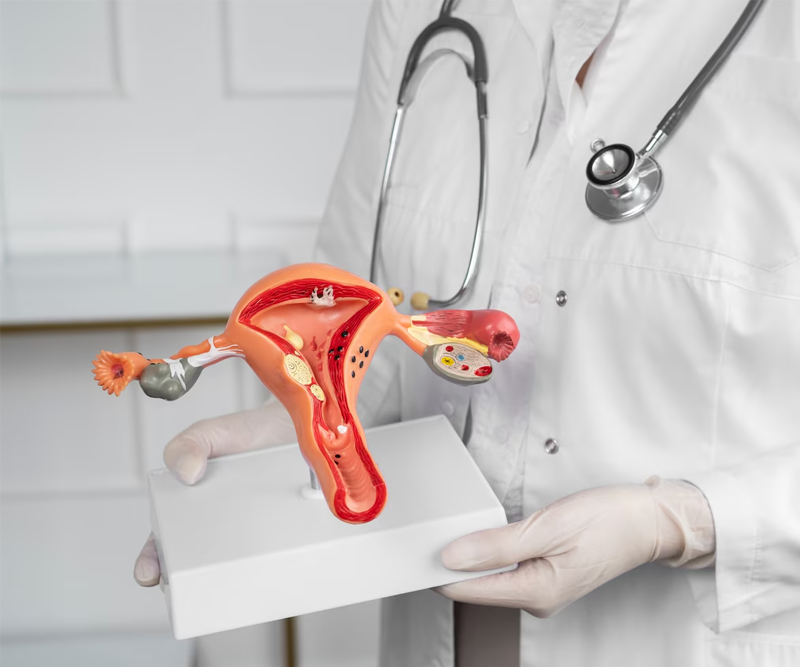
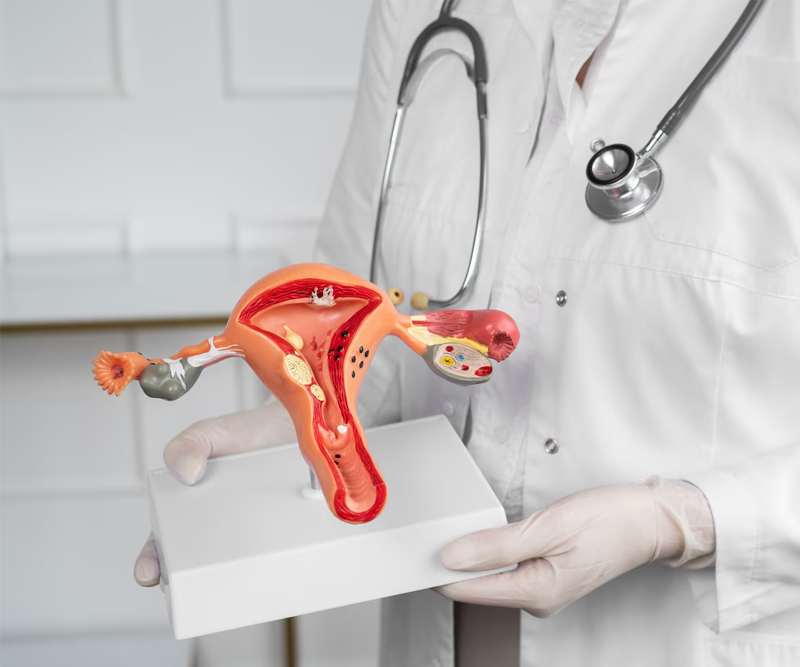
Where helpful, we offer a one-stop approach: a 45-minute extended consultation that combines a detailed gynaecology assessment with an on-the-day ultrasound. If treatment is needed, we will explain conservative options, hormonal management, or surgical choices such as laparoscopic cystectomy, always tailored to your age, symptoms and fertility plans.
What to expect at an Ovarian Cysts Consultation
Before you arrive
We’ll review any previous scans, blood tests or surgical notes so we don’t repeat tests unnecessarily. Bring any reports you have — it helps us build the full picture quickly.
- Short clinical history: when the cyst was first noted, pain pattern, menstrual changes, and fertility concerns.
- Focused examination (only if needed and with your consent).
- Transvaginal or transabdominal ultrasound is performed by the gynaecologist the same visit.
- Immediate discussion of findings and a clear management plan.
If the scan or your history raises concern, we may recommend blood tests (tumour markers) or further imaging — and we explain why.
How we interpret the scan
Ultrasound helps us assess:
- Cyst size and whether it’s simple or complex,
- What the cyst contains (fluid, blood, solid parts), and
- Whether the appearance suggests a likely benign cause or needs further tests.
If the scan or your history raises concern, we may recommend blood tests (tumour markers) or further imaging — and we explain why.
Treatment options
We tailor treatment to your age, symptoms and fertility plans. Typical pathways include:
- Watchful waiting with repeat ultrasound for simple, small cysts;
- Medical management (hormonal options) for symptom control or cycle regulation;
- Minimally invasive surgery (laparoscopic cystectomy) if the cyst is large, persistent, symptomatic or suspicious;
- Multi-disciplinary input for complex cases that require colorectal or urology involvement.
Our goal: quick answers, sensible choices and preserving ovarian function whenever possible.
The Importance of Specialist Assessment
While most cysts are benign, a specialist consultation is vital, particularly for postmenopausal women where the risk of ovarian cancer is higher.
An expert assessment provides definitive answers and ensures any concerning features are identified early. Our compassionate gynecological cyst care is designed to provide you with expert reassurance and a clear path forward.
Frequently asked questions
How do you tell if an ovarian cyst is serious?
Ultrasound features (solid areas, septations, blood flow patterns), your age and symptoms guide us. Post-menopausal cysts are treated with more caution, and we may request blood tests or further imaging to be safe.
Will I need surgery to remove the cyst?
Not always. Many cysts are monitored with repeat scans and only treated if they are large, symptomatic, persistent, or suspicious. When surgery is needed, minimally invasive laparoscopic cystectomy is usually possible.
Can ovarian cysts affect fertility?
Some cysts (or the conditions that cause them, like endometriosis or severe ovarian damage) can impact fertility. We discuss your family plans at the consultation and aim to choose treatments that preserve ovarian function where possible.
What does the 45-minute one-stop appointment include?
The extended visit includes a detailed clinical history, a focused pelvic examination (if needed), and an on-the-day gynaecology ultrasound so you get clarity and a management plan in a single appointment.