Recognising the Symptoms of Endometriosis
- Extremely painful periods (dysmenorrhoea)
- Chronic pain in your lower back and pelvis
- Pain during or after sexual intercourse
- Pain with bowel movements or urination, especially during your period
- Heavy bleeding or bleeding between periods
- Difficulty conceiving
What to expect at an Endometriosis Consultation
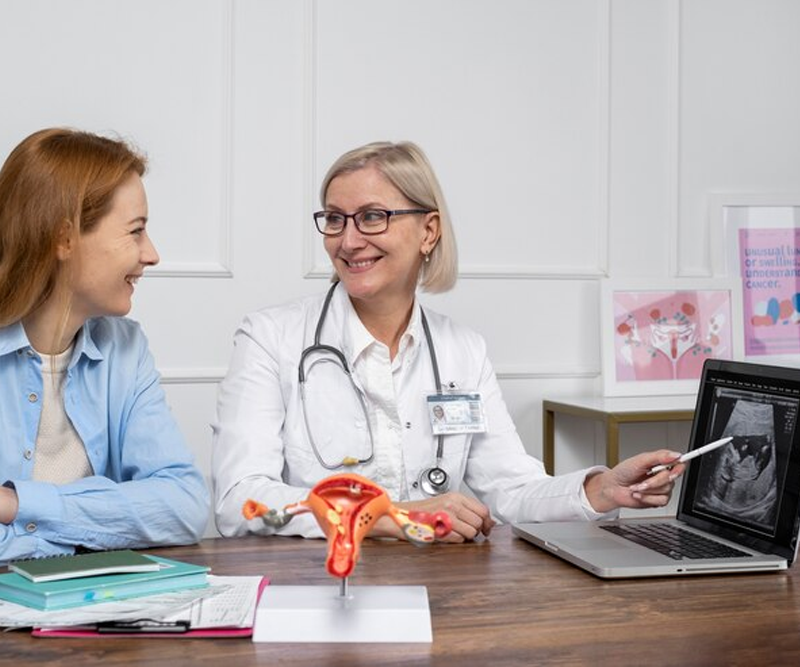
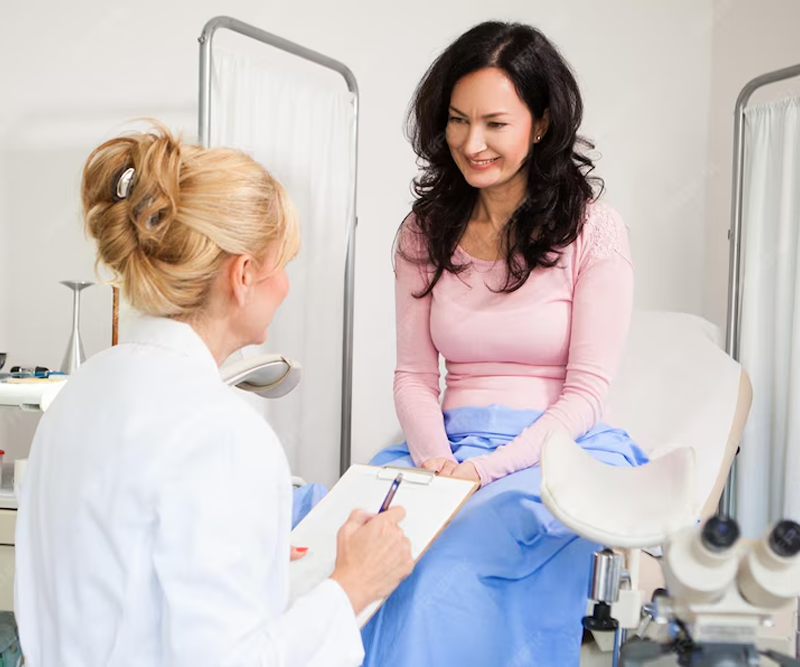
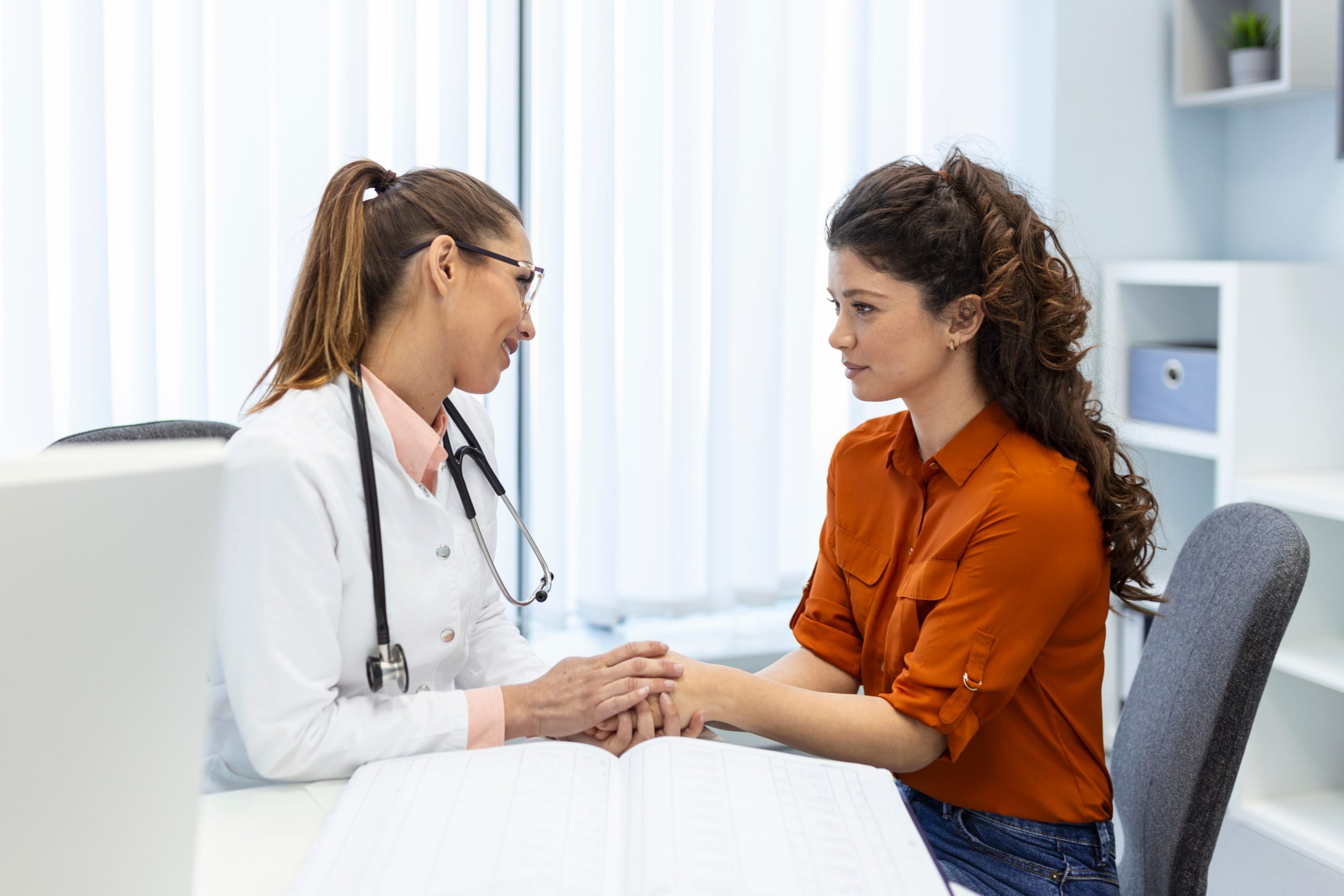
Your first visit usually starts with a thorough history of when the pain started, its pattern, bowel or bladder symptoms, sexual pain and any concerns about fertility. We will review records of past tests, scans, and surgeries to ensure we are not repeating work that has already been done.
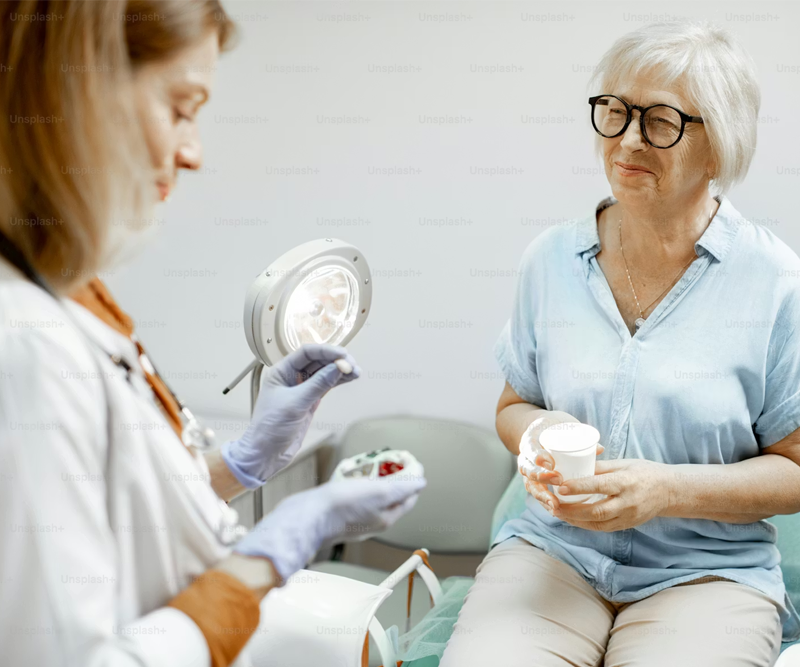
A clinical exam may be part of the appointment, and we can arrange a pelvic ultrasound that day or soon after to look for ovarian cysts (endometriomas) and other features. Where possible, we aim for a “one-stop” visit: history, scan and focused advice in the same appointment, which many patients find reassuring and time-saving.
Diagnosis and treatment options
- Pain-relief strategies and physiotherapy,
- Hormonal suppression (combined pills, progestogens, GnRH analogues), and
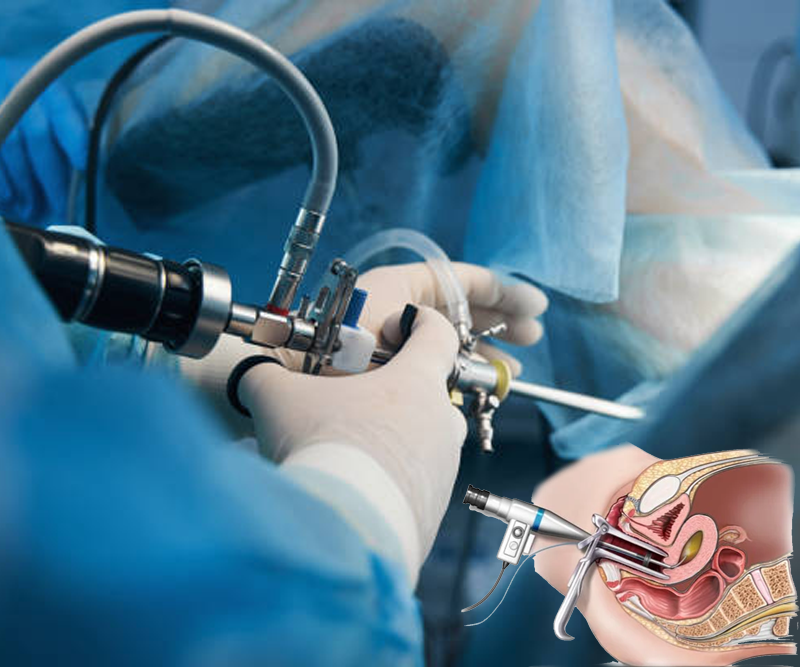
- Minimally invasive laparoscopic excision of endometriosis for women with persistent pain or fertility goals.
Specialist centres in the West Midlands are recognised for advanced laparoscopic excision and multidisciplinary care, which can include colorectal or urology input for complex disease.
Why specialist assessment matters
There is often a long delay between the first symptoms and specialist review nationally. Many patients wait years for a definitive diagnosis. Seeing a consultant-level gynaecologist experienced in pelvic pain helps rule out other causes, fast-track the right investigations, and build a personal plan that balances symptom relief with your life and family plans. We aim to cut down that delay by offering timely appointments and clear next steps.